APR. - Vol. 2, No. 4
A NeuroNarratives Film Production
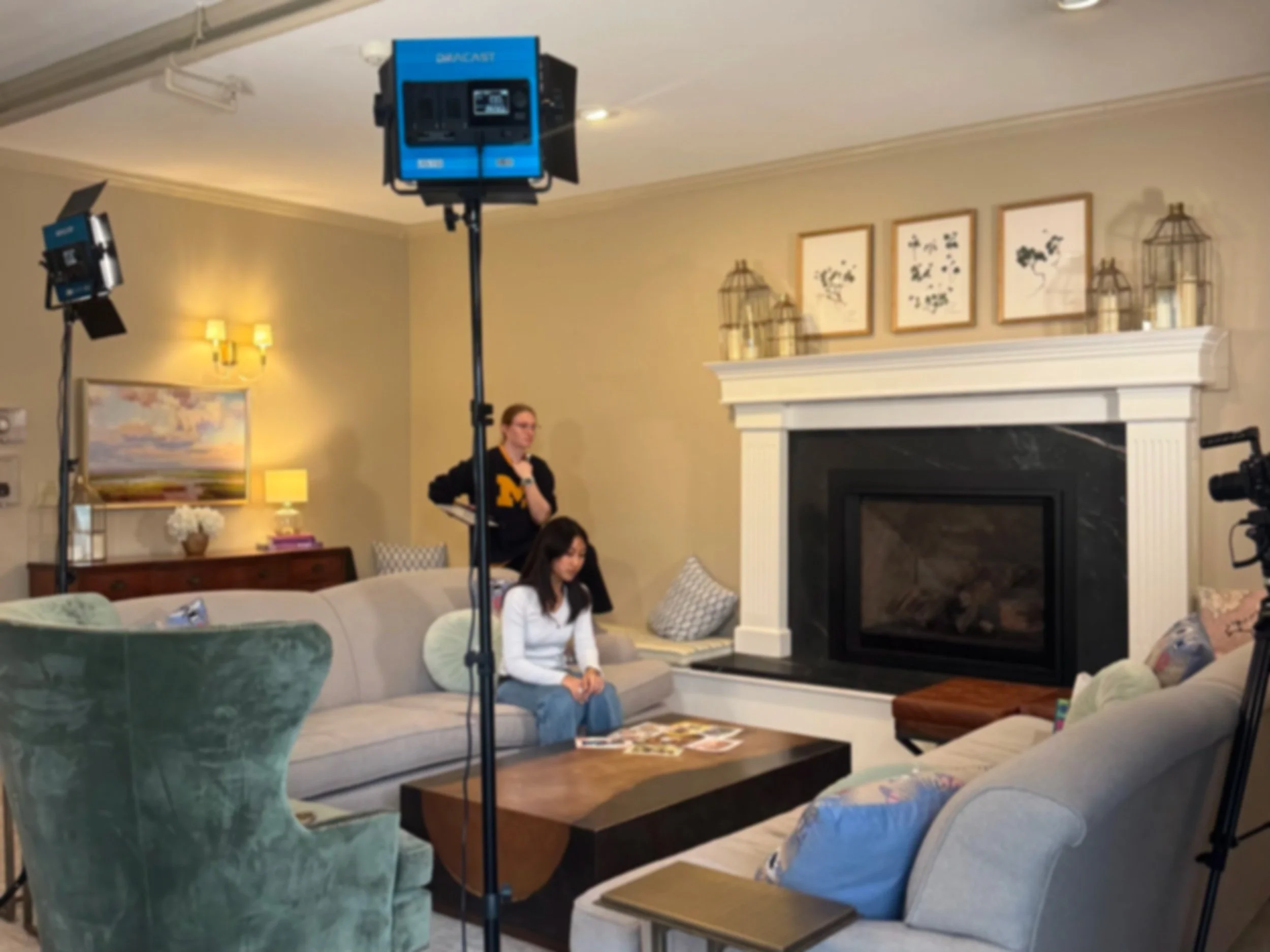
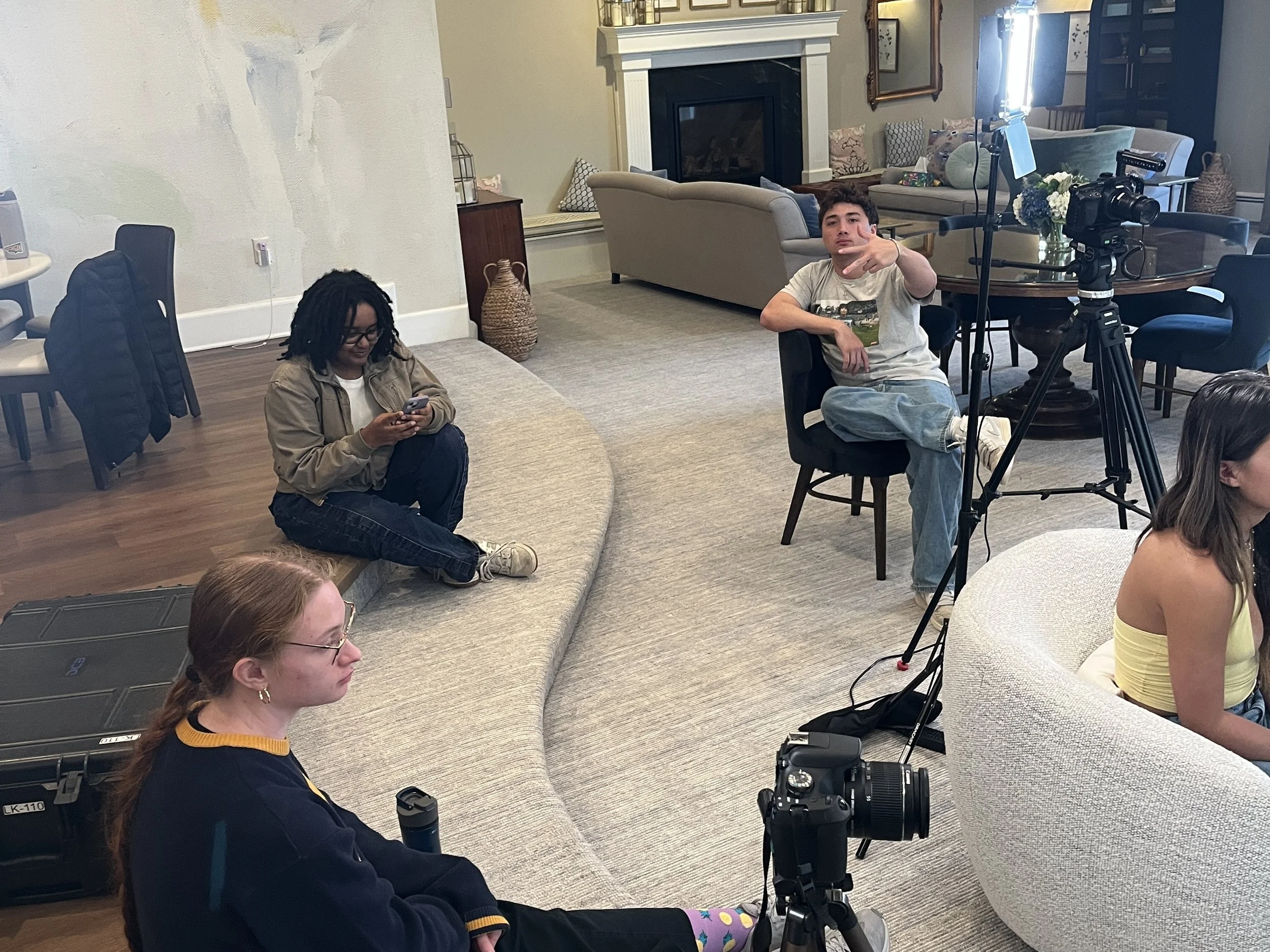
This month, NeuroNarratives had the unique opportunity to bring our mission to life in a new way: through film.
With the awesome work of a production team, this short piece highlights our core members, our personal connections to Alzheimer’s disease, and the deeper motivations behind NeuroNarratives. We hope the video serves not only as an introduction to our organization but also as a collection of stories about memory, care, and the ways this disease touches lives far beyond the moment of diagnosis.
From Model to Mechanism: Insights into Parkinson’s Disease
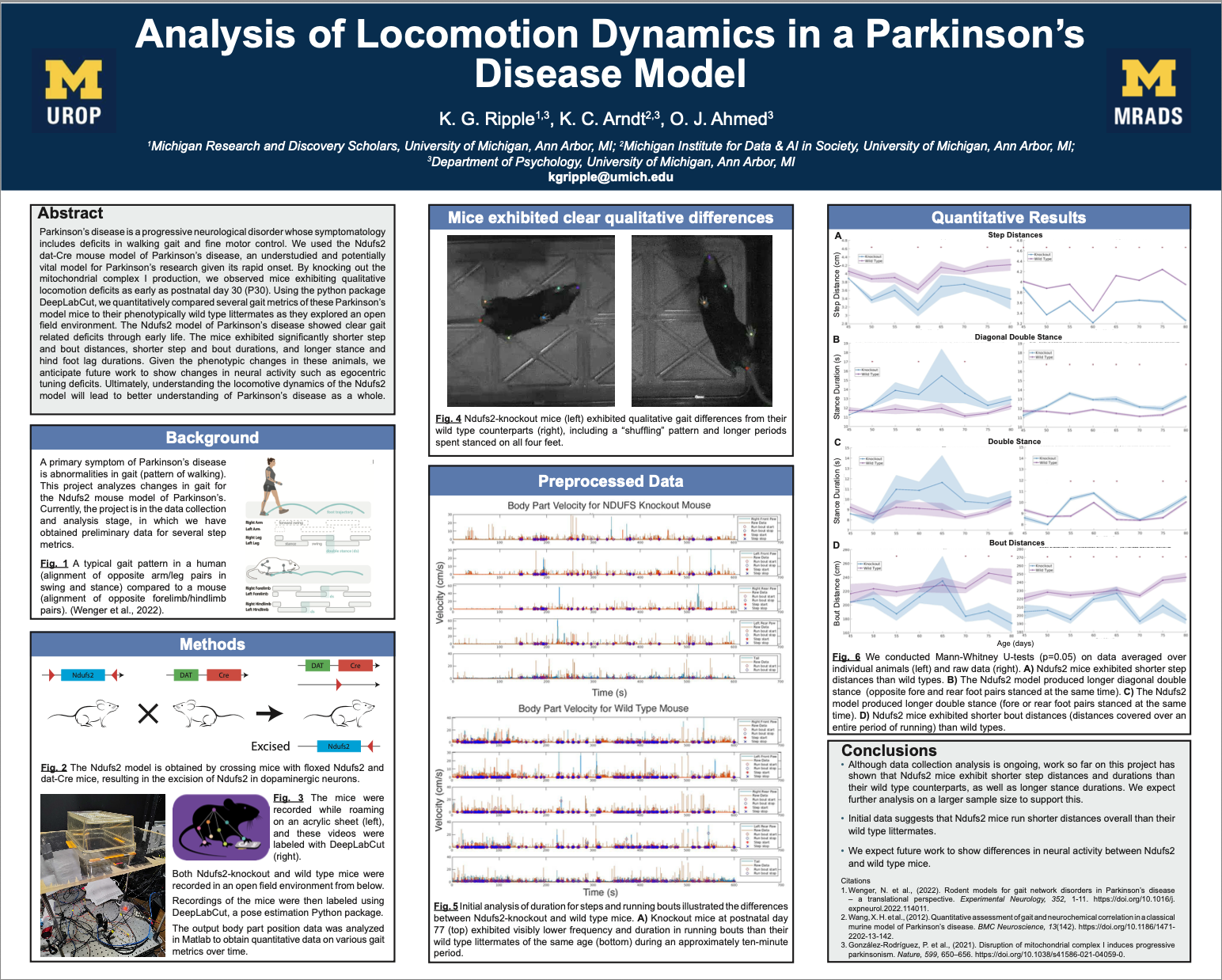
This month, NeuroNarratives editor Kate Ripple presented her research from the Ahmed Lab, whose focus includes Alzheimer's and Parkinson's disease, aiming to better understand these diseases at a fundamental level. The first step to treating a disease is often to understand what causes it and how it affects those afflicted, and the Ahmed Lab emphasizes just that. Kate's project focused on Parkinson's disease symptoms, using a mouse model that displays them by age 30 days. The use of these rapid-onset models makes research into diseases like Parkinson's or Alzheimer's much easier by allowing researchers to obtain data within a few months, accelerating the journey towards a cure.
Service Spotlight: Perfect Pair @ U of M
Can you share a bit about your mission with Perfect Pair and what your organization does?
Perfect Pair is a national nonprofit with chapters around the country, established at the University of Michigan in 2020. Our mission is to foster one-on-one, intergenerational connections by pairing older adults and college students. Our biggest goal is to build a sense of community and purpose for our pairs, but Perfect Pair has five pillars of impact, including combatting loneliness, reducing ageism, engaging with the community, enriching lives across generations, and supporting career development. Our chapter currently has eight different community partners at different long-term care homes in Ann Arbor, and we also partner with older adults living independently in the greater Ann Arbor area. We also hold community events designed to engage older adults and college students in a larger group, as well as fundraisers, as we’re a nonprofit relying on donations, dues, and grants.
Why is intergenerational connection important, and why is it a central part of your mission?
Intergenerational connection is a mutually beneficial relationship that allows for growth and learning for both generations. As college students, we have so much to learn from people who have lived for longer and are so much wiser than we are, and older adults also seem to enjoy getting to learn from their younger adult peers. It also allows participants to develop their empathy skills, because we come from different backgrounds and we grew up at different times. There can at times be a gap in understanding, and being able to address that gap in a mature and empathetic manner is really important, which is something that fostering those intergenerational connections can give us.
What would you say is the most important thing you've learned from your involvement with Perfect Pair?
I’ve learned so much from this program that I can’t choose just one, so I’ll focus on three lessons. The first is something I've learned from my pair. Her name is Connie, she has dementia, and I've been paired with her for over three years now. I've been with her and her family as her dementia has progressed, which has been a big struggle for them, but something I've learned from developing a relationship with her is that it's important to live in the moment and make the most of what you have. I think it's hard sometimes, when we're spending so much time thinking about our futures, to really take advantage of the time we have. But having an hour each week where I go and visit her is a part of my day where I’ve learned to cherish the present.
The second thing I want to highlight is something I’ve learned just from being part of our organization, and it’s that people who are driven and care a lot about a cause can make an impact. We were started in 2020 by a college student at U of M, and now, six years later, we have chapters in almost half of the states in our country. A lot happened in six years, and it's because there were people who cared about a cause enough to make it happen. If there's something that’s important to you, you can make a difference by putting the effort into it and finding like-minded individuals.
The final thing is that the relationships you develop with people give meaning to your time in college and to your life in general. That includes friends, family, and roommates, but it also includes the more unique relationships you seek out, like the intergenerational relationships that we’re aiming to foster. It's really special to develop those relationships with individuals you can learn from in a different sense than the people you're surrounded with regularly.
How, for you, has your relationship with your pair been a different experience than other relationships in your life?
Around 75% of our pairs are individuals who have not been diagnosed with a memory condition. For those other 25%, the relationships we have are a little different. For me, when I'm on campus with the people I see every day, we're very caught up in work and our careers and current events, and it’s a tense, high-stress environment. Even my family will sometimes have expectations for me, but walking into Connie’s building for the first time and having no expectations felt like a complete blank slate. It just feels like you're both there for the same reason, and that is to learn from each other and build a relationship. It's a little different for memory care, because they might not remember you from week to week, and they might not remember that they're part of a program like Perfect Pair, but you still develop a really special relationship where they look to you for comfort, and they trust you, and they'll confide in you.
Have you had any particular experiences with Perfect Pair that stood out to you?
Many older adults in these long-term care homes move around a lot; they might move from one assisted living facility to another, or they might be transitioning between independent living, rehab, or memory care facilities. This transition is a big stressor for any individual who goes through it, but particularly older adults who have lived in the same place for their entire lives. I originally started meeting with Connie when she lived independently. About a year and a half after we met, she moved into the memory care facility for the first time, and she was very disoriented and anxious about it. But the first time I visited her there, she had this really big sigh of relief to see a familiar face. She gave me a big hug and said, “I'm so glad you're here.” I think that's a testament to how much these relationships matter to our participants, because as a student or an older adult, you're going through big life changes, and being able to share them with someone is really special.
You mentioned that your pair is in memory care. How does that specific programming differ from your regular programming?
We have regular programming that’s accessible to all of our pairs, including those in memory care. This includes things like art, games, holiday-themed activities, puzzles—activities to do during their meetings, completely free of cost. However, for our older adults in memory care, some of these activities might be challenging or frustrating or just not as fun as they used to be. So we have a separate memory care catalog in which students can order activities from us, and it contains suggestions for different accessible activities depending on how far their dementia has progressed. Sorting, for example, can be a really comforting activity for later stages of dementia, or household chores like folding laundry. But we also have reminiscing, simpler puzzles that don't require a lot of dexterity, and games that don't have as many rules to remember.
Do you have any advice for people who want to foster intergenerational connection in their own lives?
My advice would be to just go for it. If there's a relationship you want to develop in your life with an older adult whom you already know, chances are, they also feel that way. Sometimes people feel held back because of the generational gap, but the reality is, we're all human, and we're all individuals looking for social connection. I think being open to listening and learning from each other and just taking the initiative to develop those relationships is the main advice I would give.
How can interested students get involved in your organization?
If a student is interested, we’ll typically ask them to email our organization's email (umich@perfectpair.org) so we can send them the onboarding materials and our match application. From there, they complete those steps and enter our matching pool. It’s truly a one-on-one, personalized match, but because it’s one of our leadership team members who’s doing the matching, sometimes it does take some time. For each pair, we try to find at least three things they have in common. For my pair, those were that we both grew up in Michigan, we both like to spend time outdoors, and we both like cats. We try to make the best pairs possible, and some are better fits than others, but over time, as our pairs get to know each other, they tend to find even more things in common.
Is there anything else you'd like to share about Perfect Pair that we haven't talked about already?
This program plays a really special role in our college students’ and older adults’ lives. Once our participants are part of the program, they kind of stay in the program. We have people stay from freshman year to graduation because it’s such an amazing community, and our older adults will even request to be rematched with a new student after their pair graduates. Our longest-standing older adult has been involved in the program since 2021, so for five years now, and has had three different pairs. We have pairs who continue to meet after graduation if the student is still in the area, or they'll keep in contact by texting and calling in the future.
This interview has been edited and condensed for clarity.
More information about Perfect Pair can be found at perfectpair.org, and interested students can contact the University of Michigan chapter at umich@perfectpair.org.
Thank you to Loryn for her willingness to sit down with us and to Perfect Pair for their incredible contributions to the community!
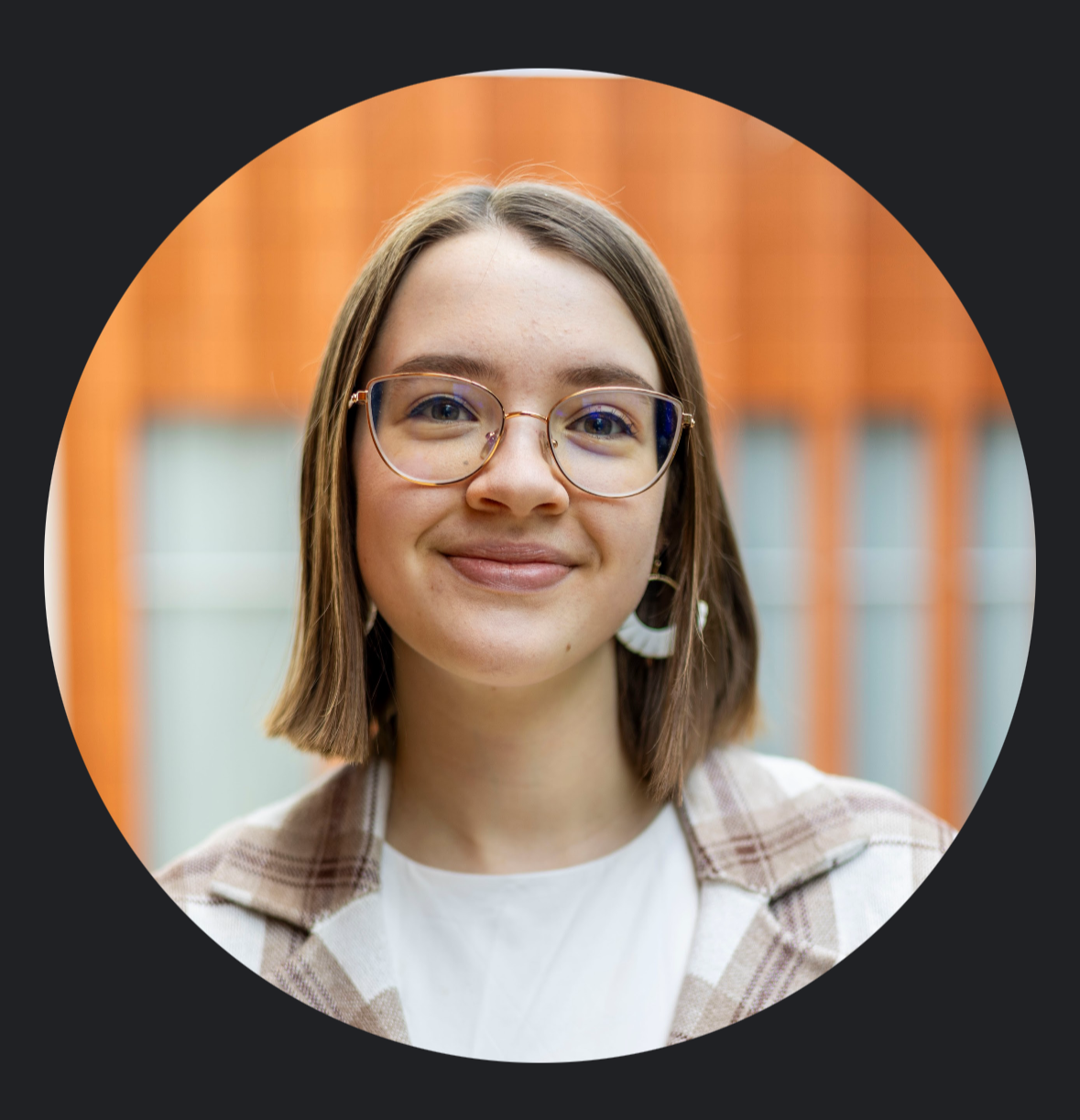
Meet Loryn Davidson, graduating senior and president of UMich student organization Perfect Pair. Loryn has been with Perfect Pair for four years, serving one year as a general volunteer, one year as volunteer chair, and two years as president.