FEB. - Vol. 2, No. 2

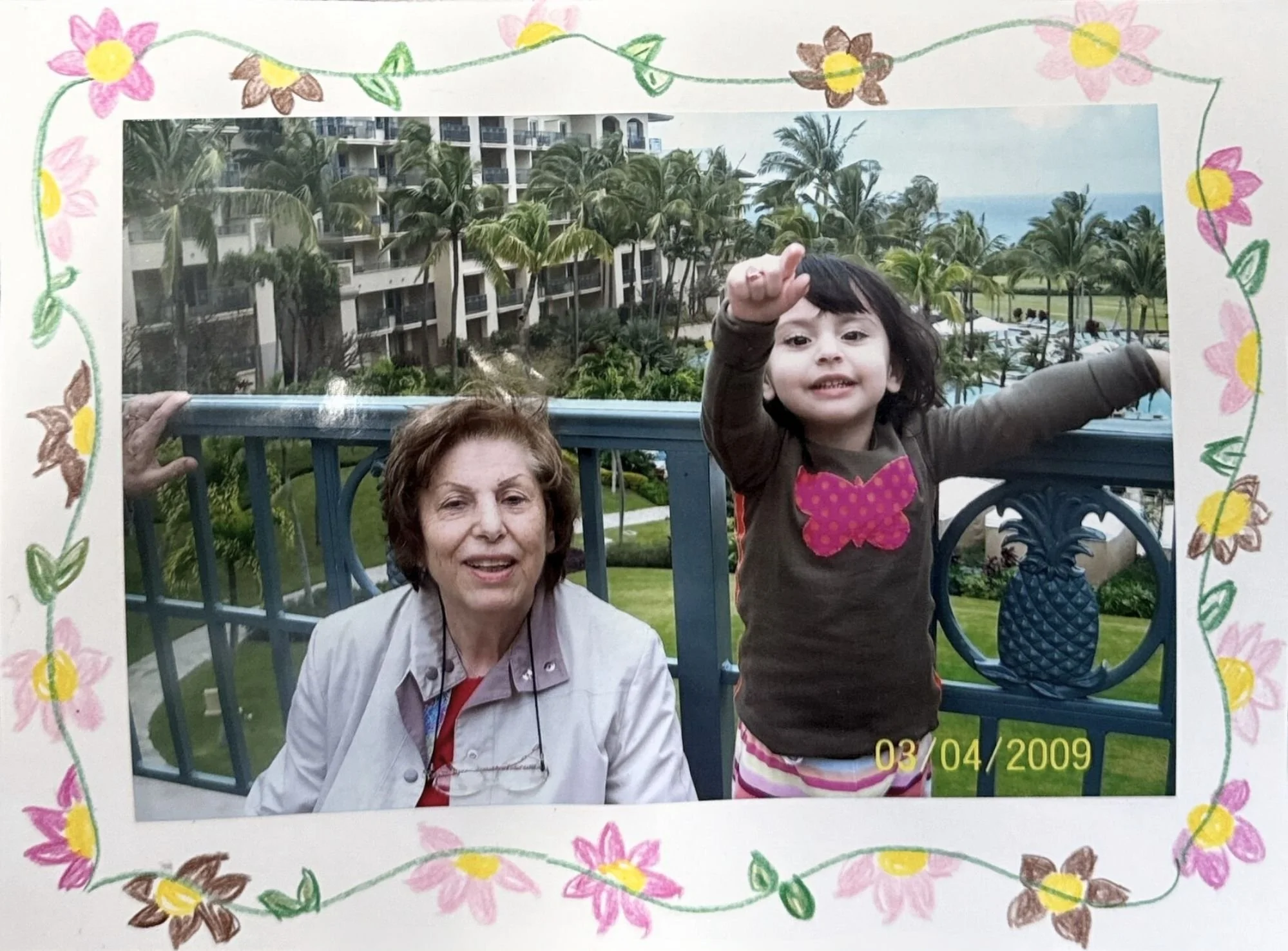
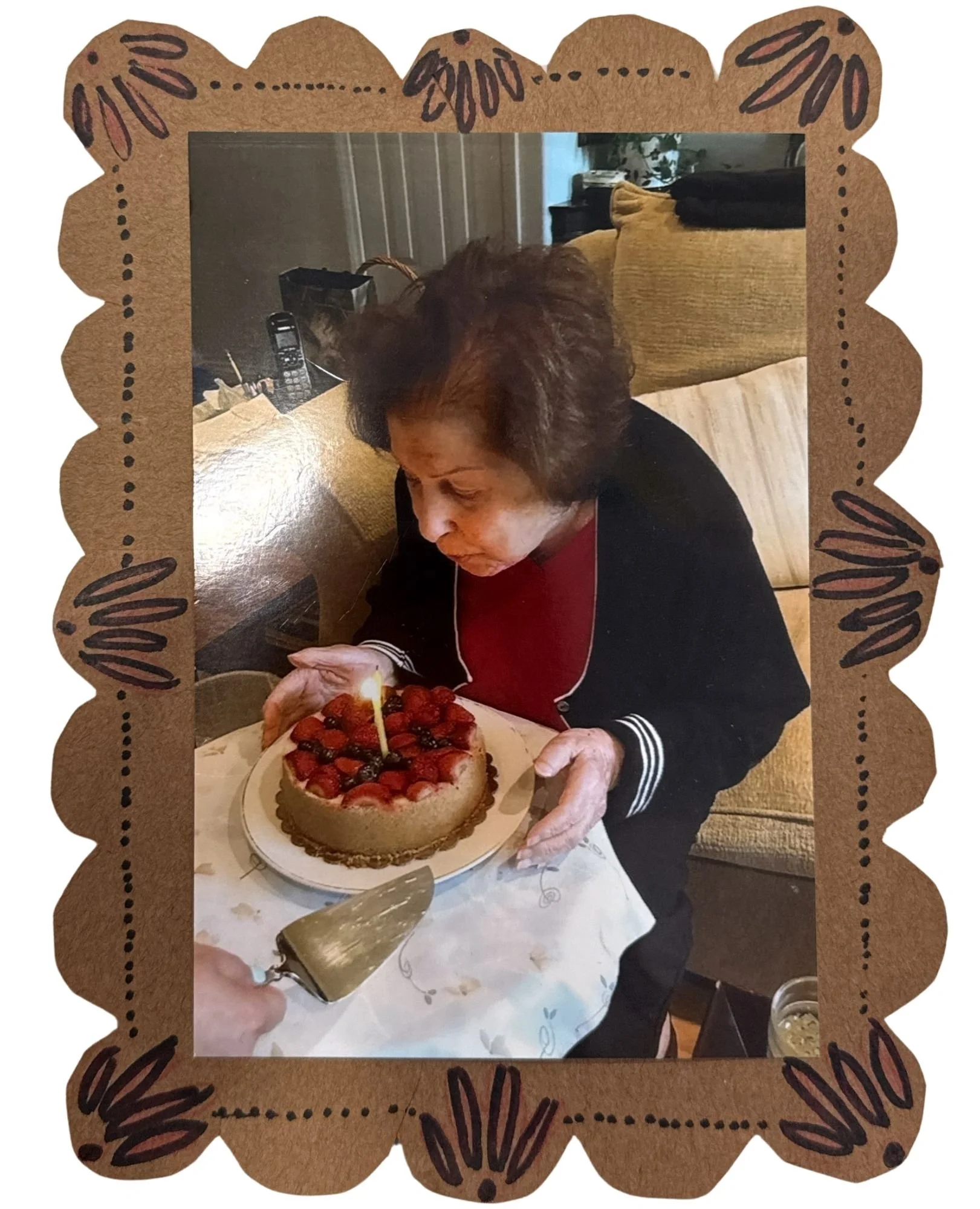
Framed in Love
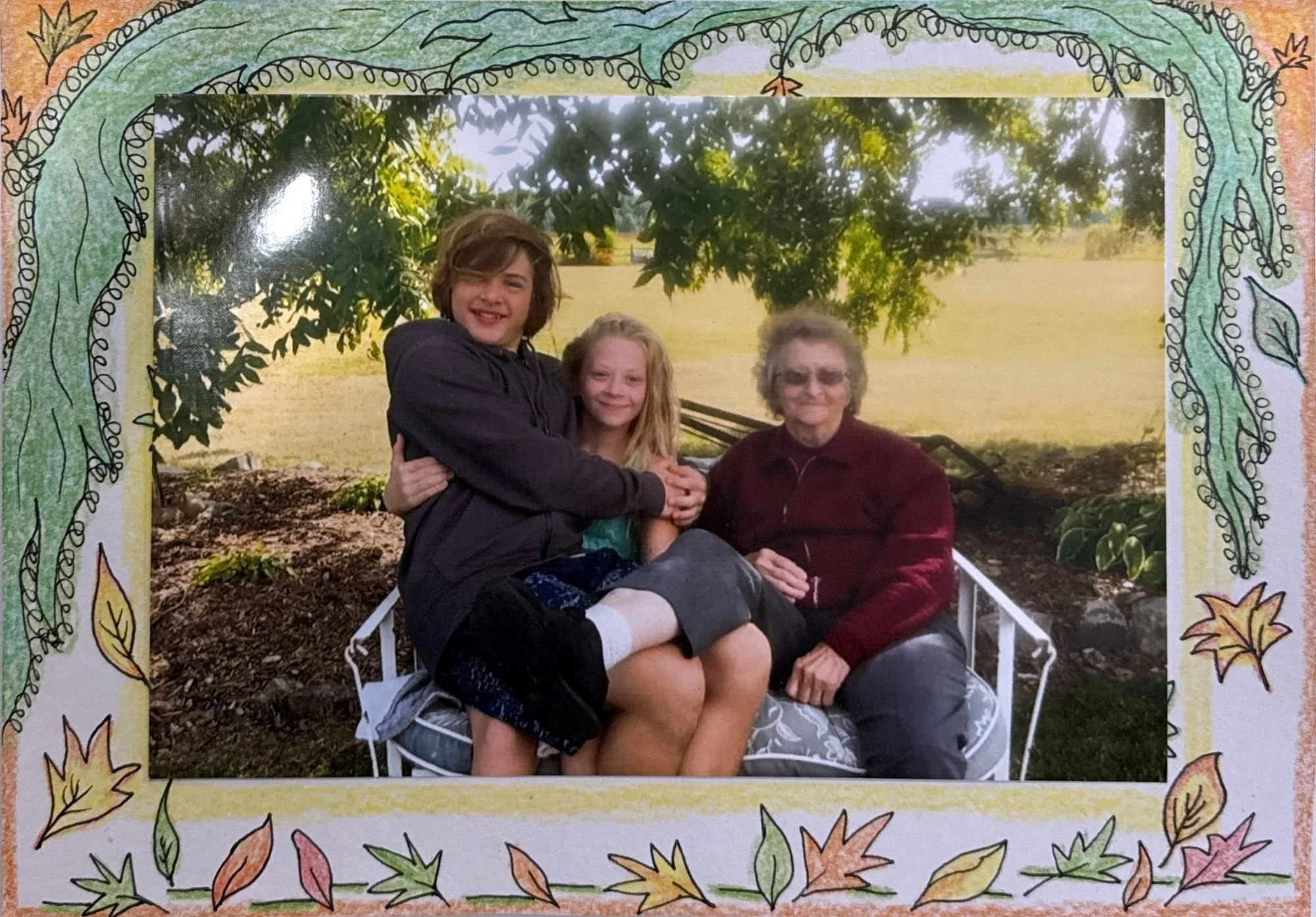
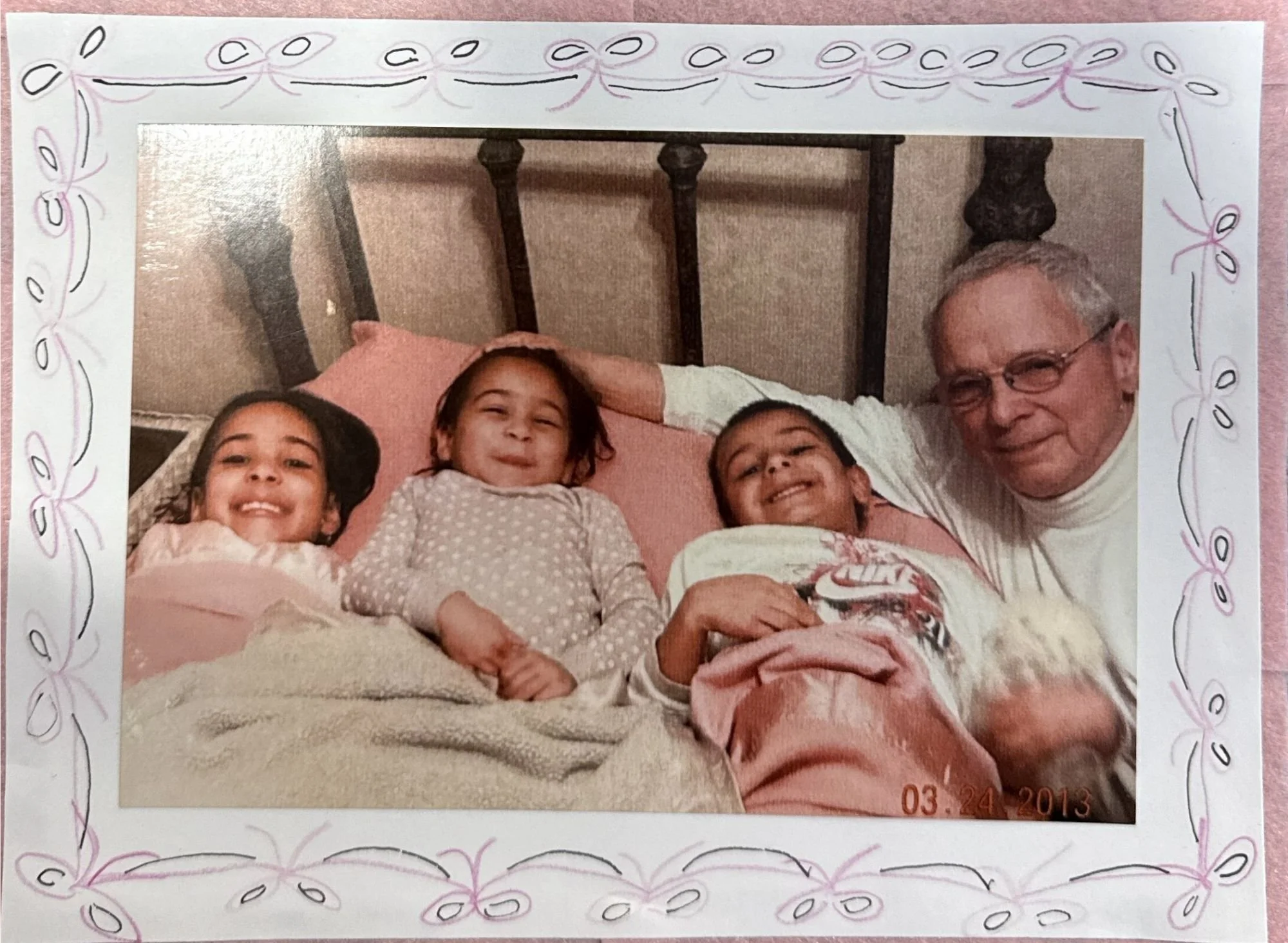
During this season of love, we used our hands to make something meaningful. This month’s NeuroNarratives art project invited members to create frames for photos of loved ones with Alzheimer’s. By framing these moments, we hope to highlight that memory may change, but we continue to remember.



February Education Edit: Valentine’s Day & Love in Alzheimer’s
“Grief is not a sign of weakness but a testament to the depth of our love.”
“Love isn’t about the memories we’ve shared, but the moments we create every day.”
- Unknown
In this qualitative study done in Israel, researchers attempted to describe and understand how love changes when one spouse develops Alzheimer’s Disease. In semi-structured interviews, participants were asked to describe their relationships with their spouses and how their relationships have changed since the onset of the disorder.
Overall, a variety of different outcomes were described. These ranged from diminishment of love to revival of love. These results suggest that the impact of Alzheimer’s Disease on love involves a multitude of factors. These factors include: the quality of the relationship before onset, spousal appraisal of the change, spousal outlook on life and love, and the personalities of both spouses (as well as other factors).
In cases where love was diminished, the stress of caregiving and the loss of the perceived relationship weighed on the spouse, making them feel as though there was no love left. However, in other cases, love increased. In these cases, spouses interpreted love as rooted in compassion, patience, and presence, even through difficult times, rather than just in shared history. Love was interpreted as growing, with commitment to the person confirmed through endurance. Some spouses interpreted their relationship as growing closer as busy lives became focused on caregiving and rekindled reconnection. One participant felt as though the inhibitions of their spouse with Alzheimer’s were lowered, and they felt as though they were able to truly see and feel seen by their spouse for the first time. They loved the person their spouse became as they became less guarded, and there was increased intimacy between the couple.
When someone develops Alzheimer’s Disease, the burden of care tends to fall on spouses. When this happens, and the condition progresses, appraisal of the relationship is unique and multifaceted. At times, love seems to decrease, and at others, it is renewed and strengthened. It is important for Alzheimer ’s-related interventions to provide support both for the person with Alzheimer’s and for their loved ones. Treatment guiding appraisals of these relationships can enable a disease to be interpreted in a way that supports renewed connection and proximity to a spouse.
“Love between couples living with Alzheimer’s disease: Narratives of spouse care-givers” (Shavit, Ben-Ze’ev & Doron, published in Ageing & Society, 2017). S0144686X1700109Xjra 488..517.
February Service Edit: Caring fo
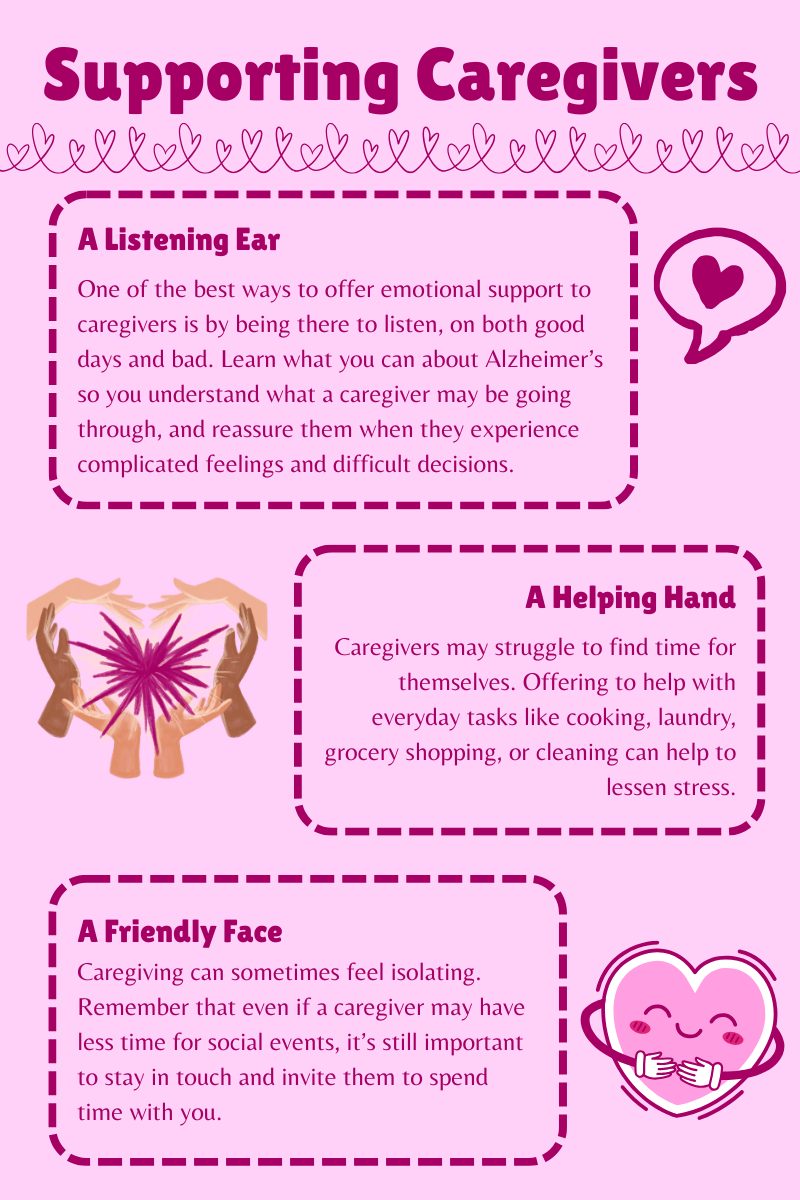
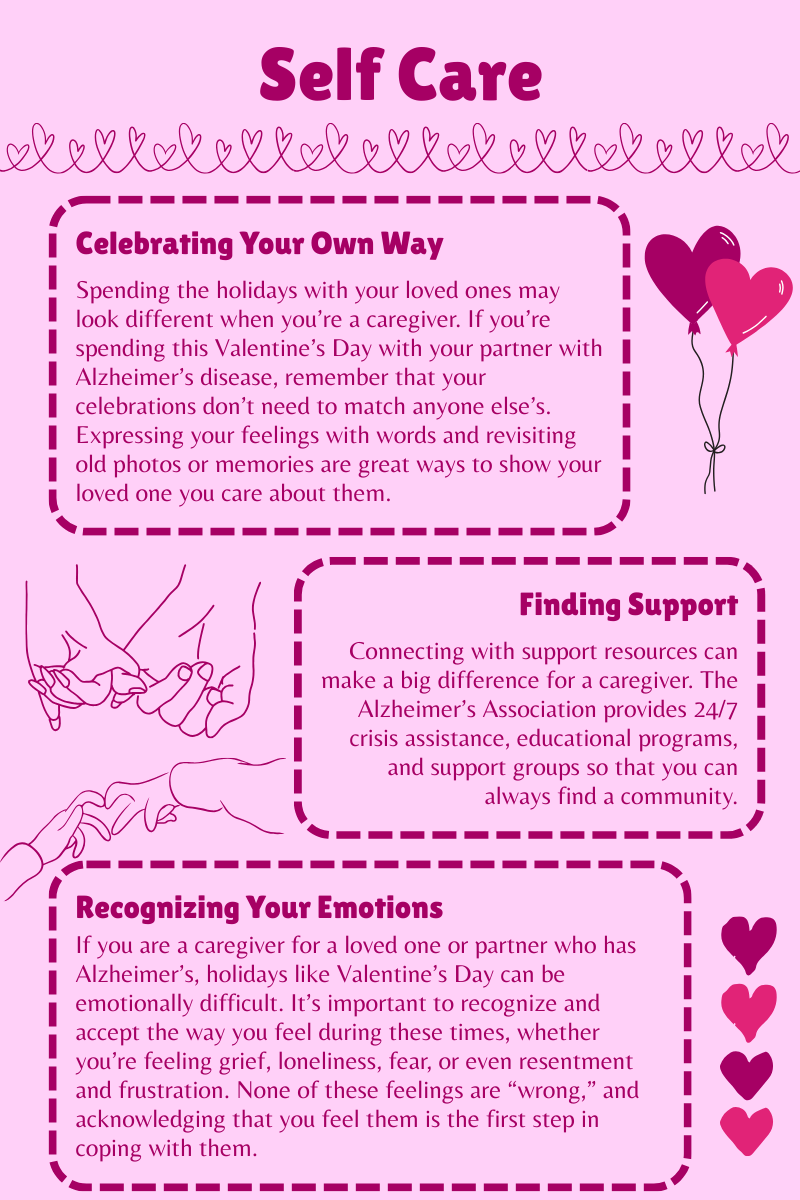
Caring for an individual with Alzheimer’s Disease is a constant responsibility. When this individual is a loved one, caretaking can take a significant emotional toll in addition to the stress of added responsibility, especially during holidays, anniversaries, and other emotionally significant events. The weeks surrounding Valentine’s Day, in particular, may be difficult for those who are caring for a partner with Alzheimer’s. This month, we’ve decided to highlight some of the ways you can support the caregivers in your life and practice self-care if you’re a caregiver yourself, with a special emphasis on those whose partners live with Alzheimer’s.