MAR. - Vol. 2, No. 3
Reflections in Luck
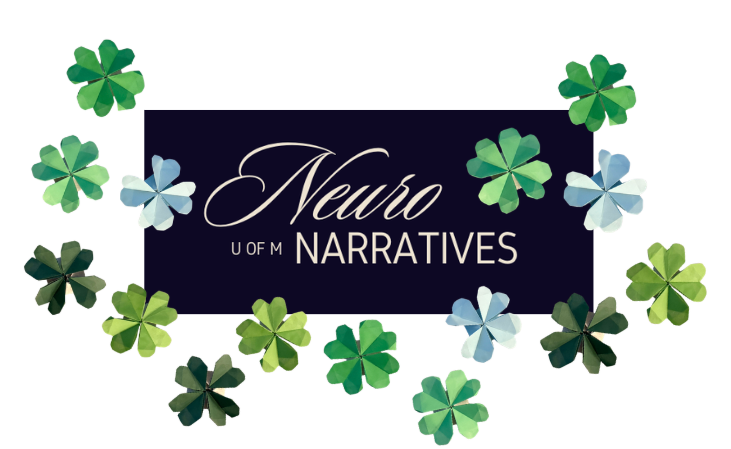
This March, in light of St. Patrick’s Day, NeuroNarratives invited members to create origami clovers. Traditionally, a four-leaf clover represents rarity and fortune. But within the context of Alzheimer’s and memory loss, we began to reflect on our gratitude for our loved ones.
Through this initiative, NeuroNarratives built on our February Frames, continuing to explore how art can make space for complex emotional realities, acknowledging grief and practicing gratitude coexist. In the midst of Alzheimer’s, we may not be able to preserve every memory, but we can still create meaning and recognize how lucky we are despite what is lost.
“I feel so lucky to have known my grandmother because she was an amazing, brave, and sweet woman until the very end. The most amazing parts of her life that I was blessed enough to witness were her amazing ten children who were utterly devoted to her, her multitude of grandkids and great-grandkids, and her warmth and compassion, her faith, and her love for her family.” - Neva
“I feel lucky to have known and lived with my grandmother because I was able to learn from her unwavering strength and intelligence and her unmatched warmth and kindness—even in the midst of her battle with Alzheimer’s.” - Nadia
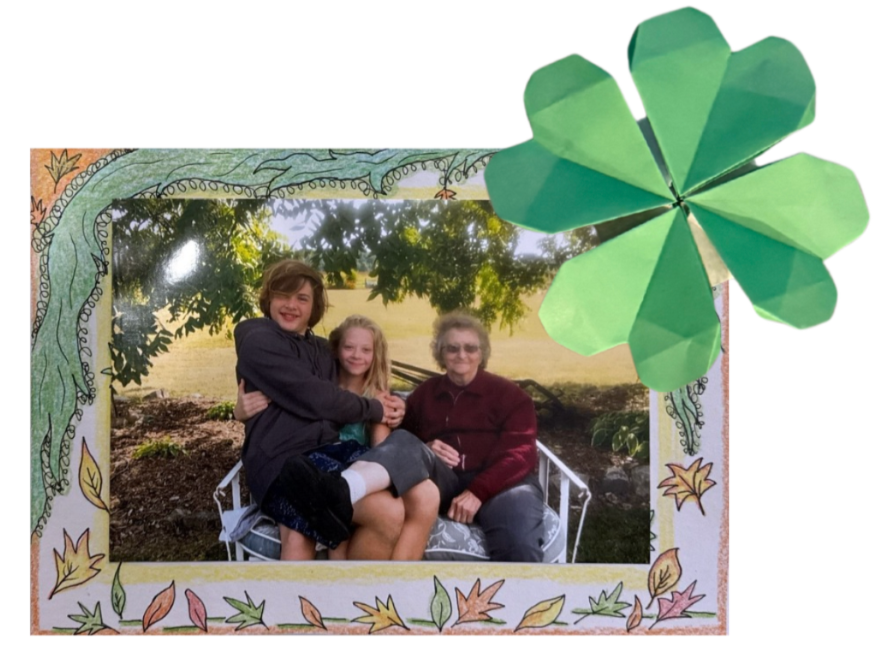
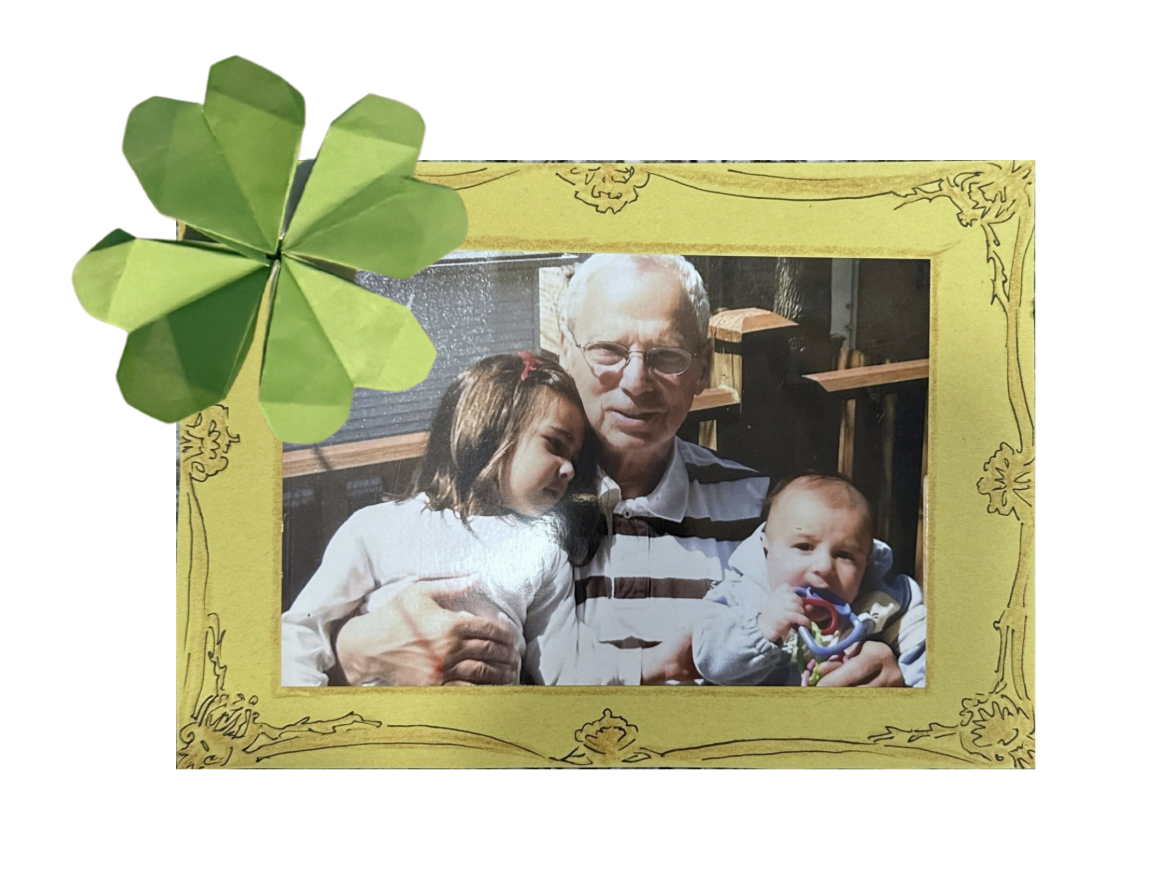
“ I think about my family and the handful of friends that I would follow anywhere, at any time, with no questions asked, and I feel so privileged that I was one of those people for my Papa. I am grateful to be reminded of him in my mom and aunts, and for the characteristics that I share with him. Mostly, I just feel lucky to have known him.” - Ella
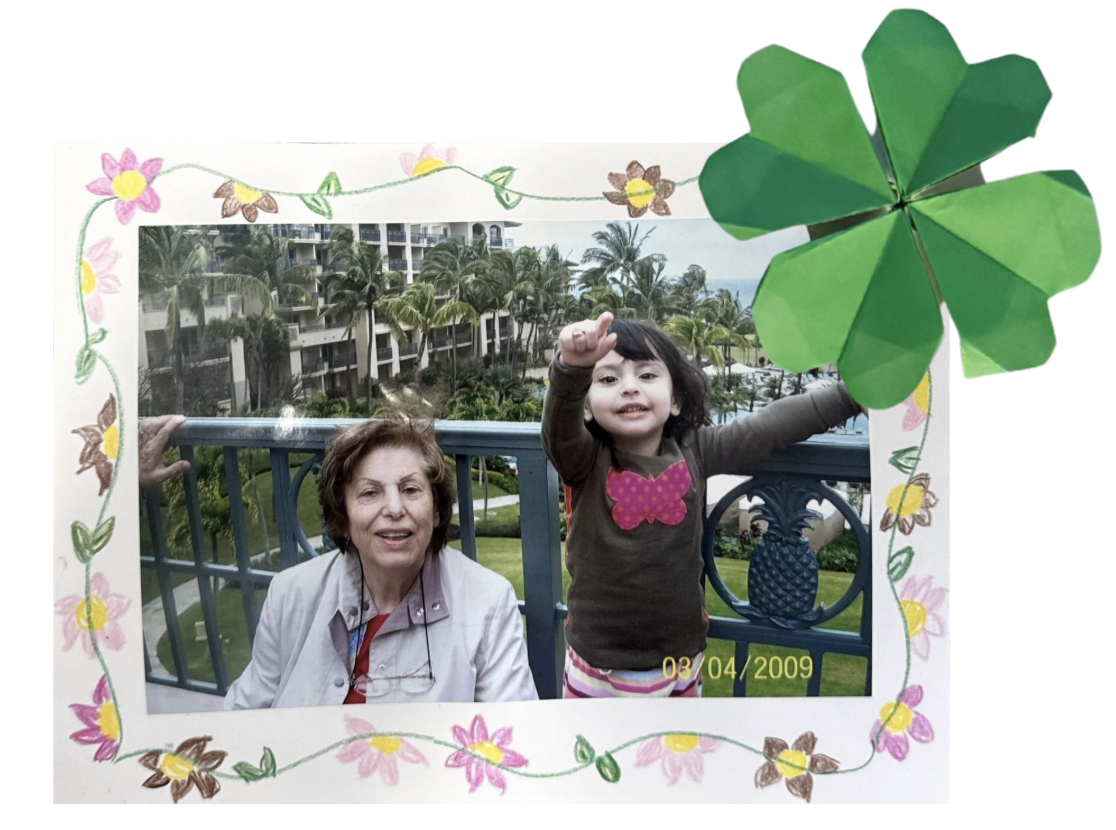
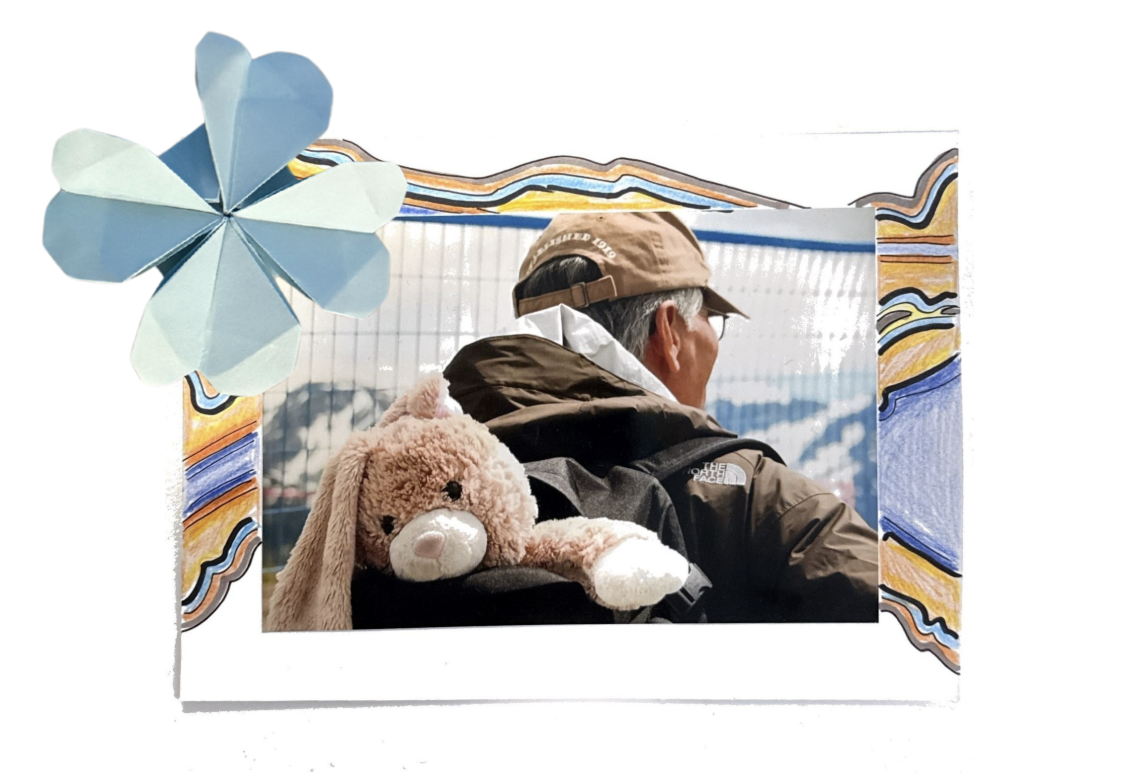
“I think, more than anything, I feel lucky that I had him long enough for his presence to become part of who I am, and I will always carry that with me.” - Abegail
We invite you to make your own!
A Philosophical Lense on Alzheimer’s: What remains when memory fades?
Alzheimer’s is often associated with loss. The neurodengeneration that takes place is beyond mere memory loss, as names, stories, and individuality are lost; the disease is beyond explanations of sole science. Rarely is this loss viewed from a philosophical perspective, compelling us to wonder: what exactly is being lost? And just as importantly, what might still remain? While science and medical research continue to advnace treatments and an eventual cure to Alzheimer’s, we offer a philosophical lense which may help reconcile the incredibly difficult reality to grasp of watching someone decline with Alzheimer’s.
Philosopher, Hannah Ginsborg, challenges the notion that concepts are merely stored knowledge we retrieve from memory. Instead, she suggests that concepts are tied to our ability to make sense of the world—to recognize, respond, and interact meaningfully, even without specific or accurate recall (Ginsborg, “Conceptualism,” 2018). This perspective becomes especially powerful in the context of dementia.
In Alzheimer’s, semantic memory, such as the ability to recall facts, names, and categories, often deteriorates quickly. Patients might have difficulty with word-finding (anomia) or lose the ability to neatly categorize objects, as before. From the outside, this can easily look like a loss of understanding itself. But Ginsborg’s framework opens another possibility: what if the capacity for meaning isn’t entirely dependent on memory?
Moments of recognition, familiarity, and emotional connection often persist even as memory declines. Someone may not remember a name, but still offer a hug. They may not articulate what something is, but still interact with it properly. Instances like these demonstrate conceptual engagement, which Ginsborg labels as a kind of primitive normativity (or a basic sense of “this is how things are”), which can remain intact even when explicit knowledge fades.
This viewpoint challenges a common philosophical assumption that memory is the complete foundation of personal identity. If memory fragments, is the person still “there”? Alzheimer’s complicates this account. While certain forms of memory decline, others like emotional memory, habits, and embodied ways of being, can remain strikingly resilient. Personality traits and patterns of care often persist below the surface, even if they are harder to recognize through language.
For many, this is not simply a philosophical question, but a profoundly personal one. Watching someone you love lose memory can feel like losing them entirely. But over time, some begin to notice that connection doesn’t disappear absolutely, but rather, it transforms. Thus, the shared moments of presence, touch, and emotion still carry sincere meaning, even without the shared memories to anchor them.
Philosophy, nor does this perspective, are able to erase the pain of Alzheimer’s, but it can shift how we grasp it. Instead of seeing dementia as a complete erasure erasure of the self, we might see it as a sort of reconfiguration, that reveals how much of who we are goes beyond what we can remember. In that way, Alzheimer’s offers a difficult but important insight: memory is not the only way we know, connect, care, or love, and meaning may still endure evne if memories fade.
Donuts for Dementia
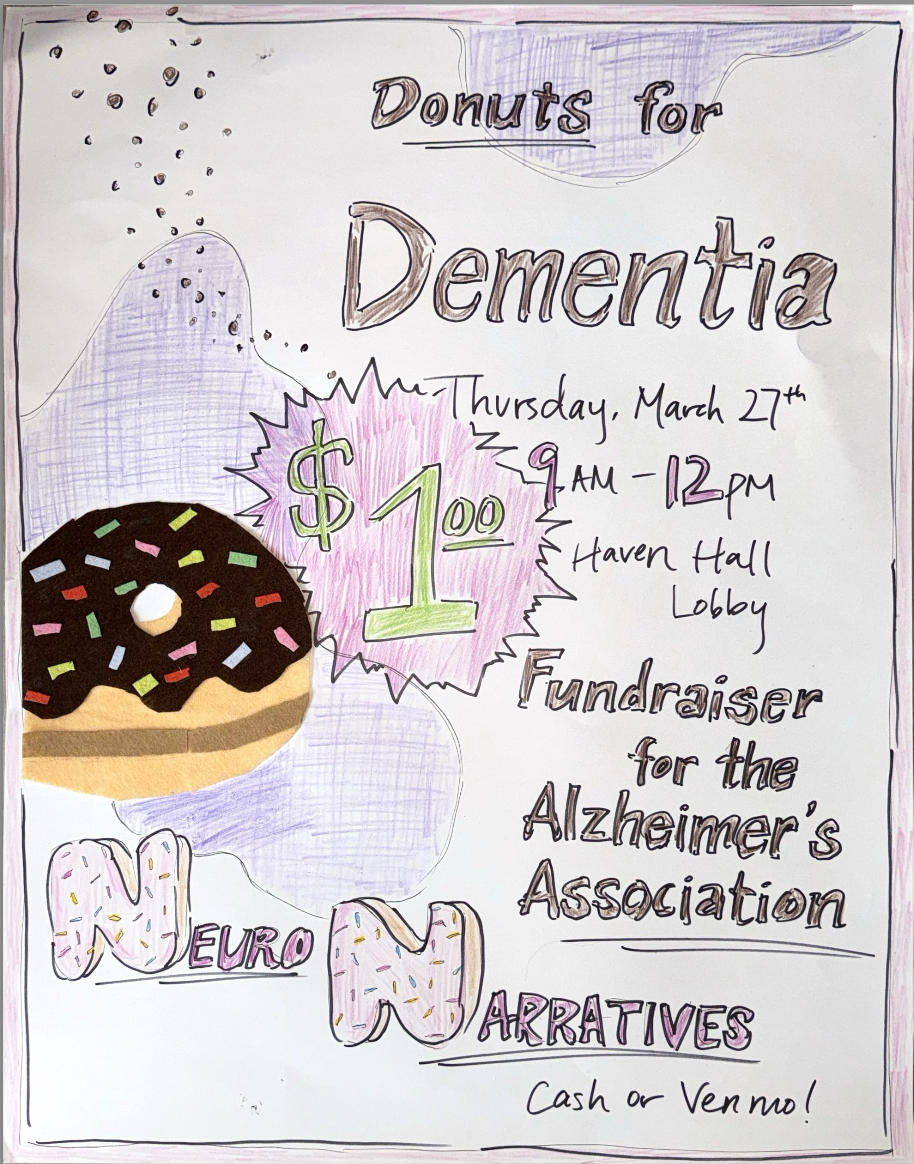
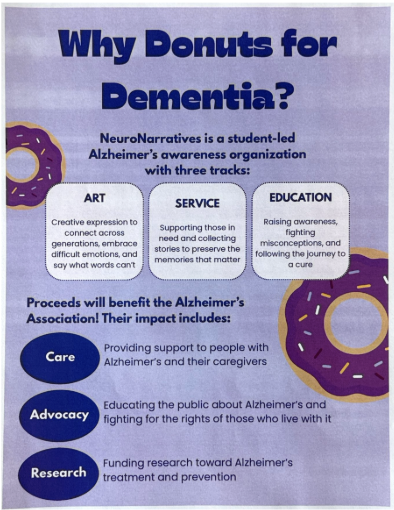
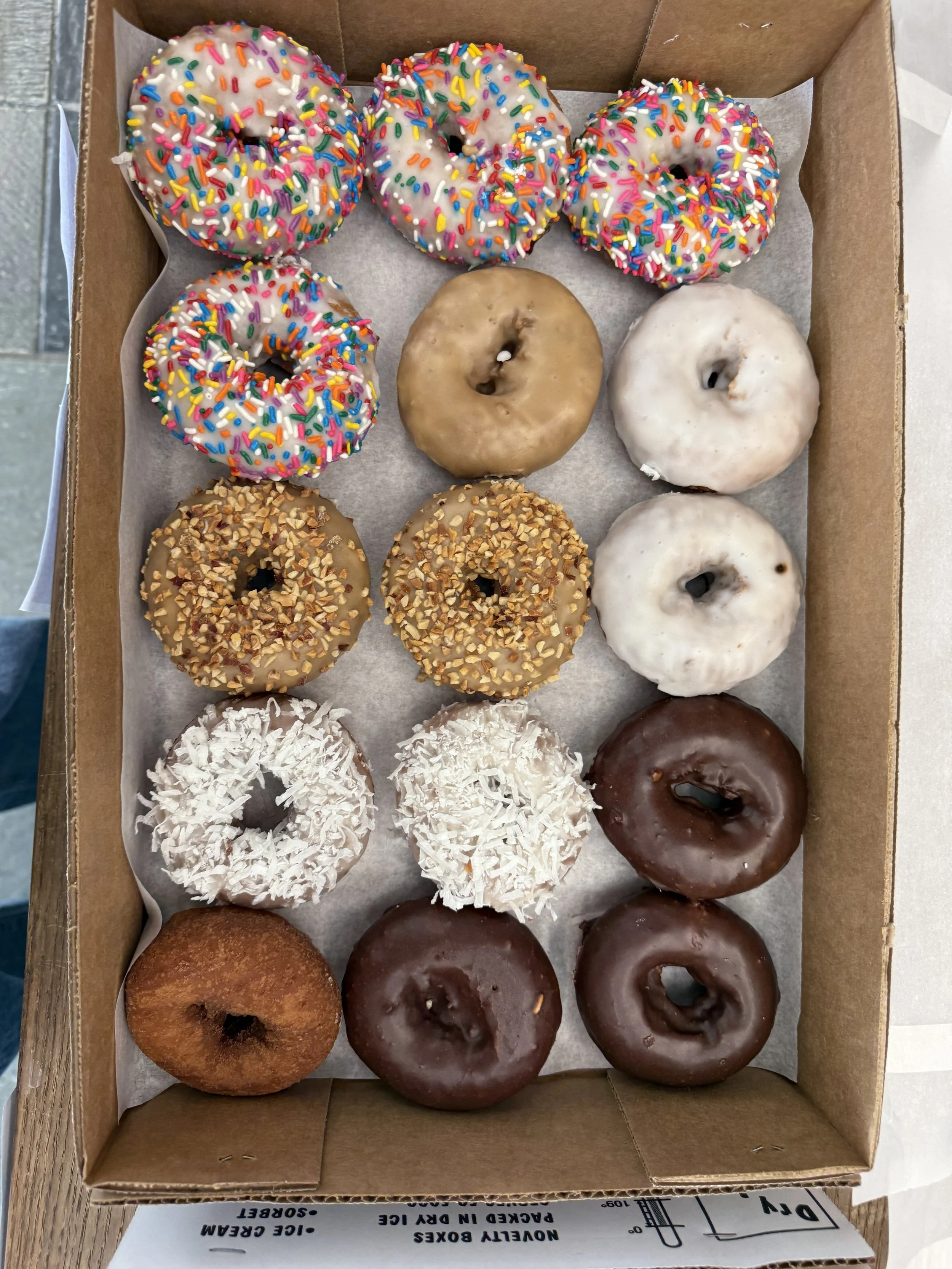
This month, NeuroNarratives hosted our “Donuts for Dementia” sale, raising awareness for Alzheimer’s while fostering meaningful community engagement. In partnership with Washtenaw Dairy, we supported a small business while bringing people together around a shared cause. The event served as both a fundraiser and a space for conversation about memory, care, and the lived experiences of those affected by dementia. Through something as simple and familiar as a donut, we saw how local engagement can spark connection!