OCT. - Vol. 1, No. 2
By: Neva Griffin
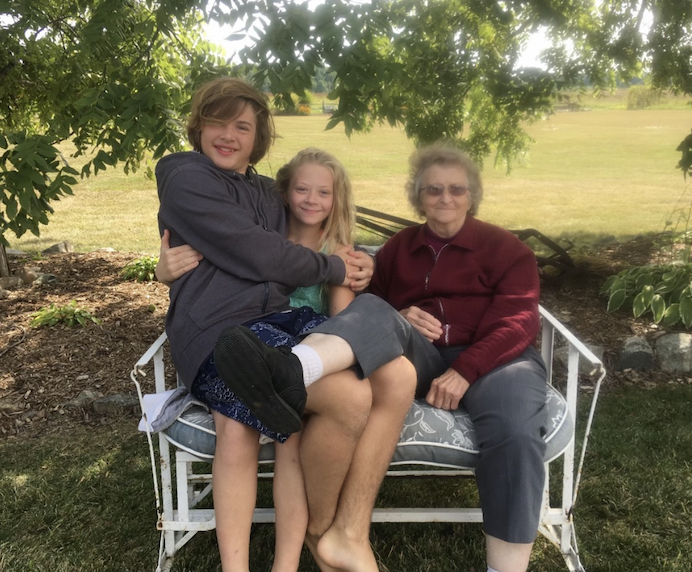
Even as Alzheimer’s began to blur the edges of memory, Neva’s grandmother never lost the spark that made her who she was. A devoted wife and mother of ten, she carried humor, warmth, and love in everything she did. In this photo, she playfully rests her leg on her grandchildren—her laughter a gentle reminder that even when memories fade, joy endures. Though she passed in 2022, her spirit continues to shine through those who loved her most.
HER LAUGHTER REMEMBERS
AT WALK TO END 2025
What Hope Do People Have for Alzheimer’s Treatment Success?
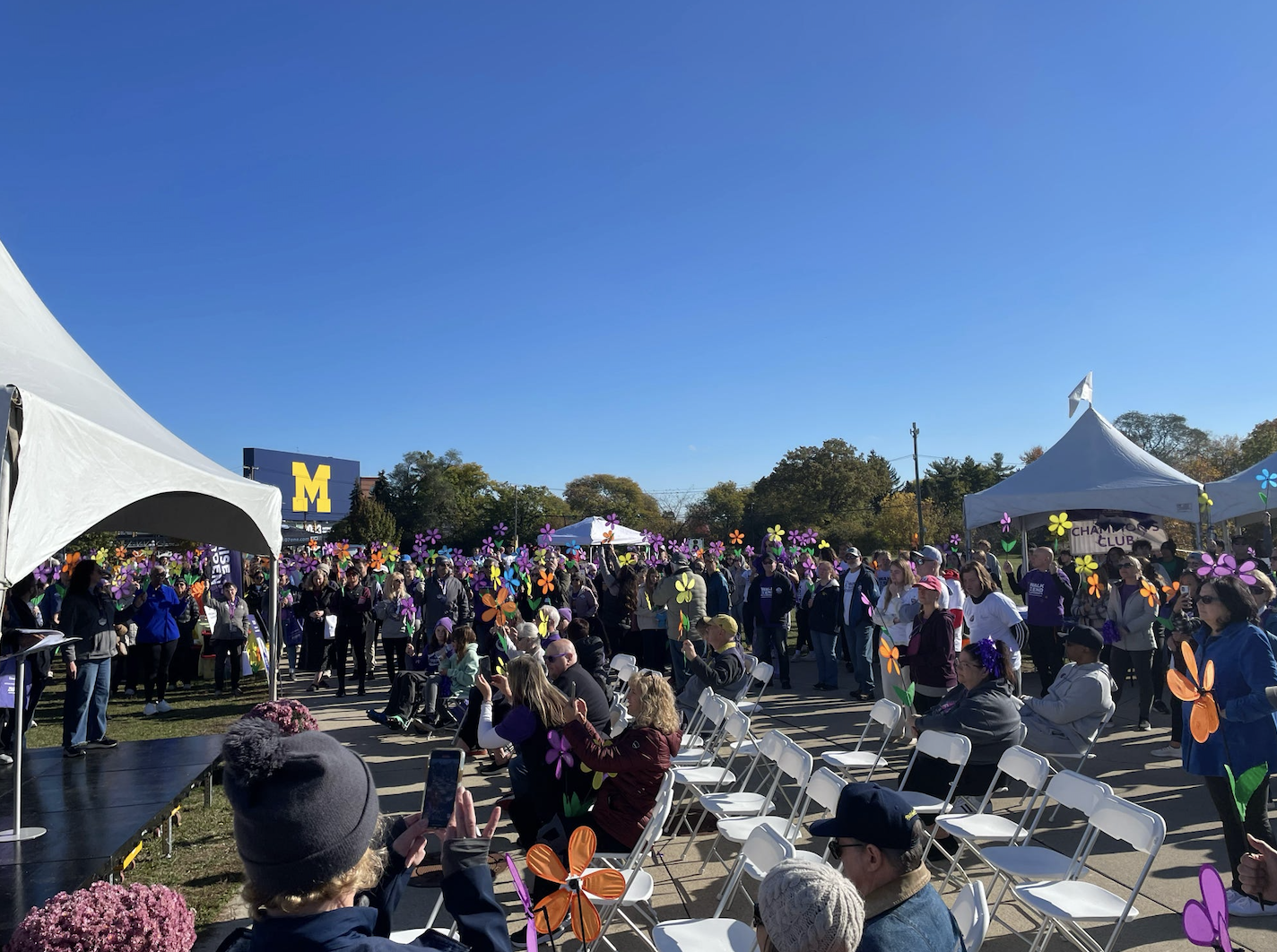
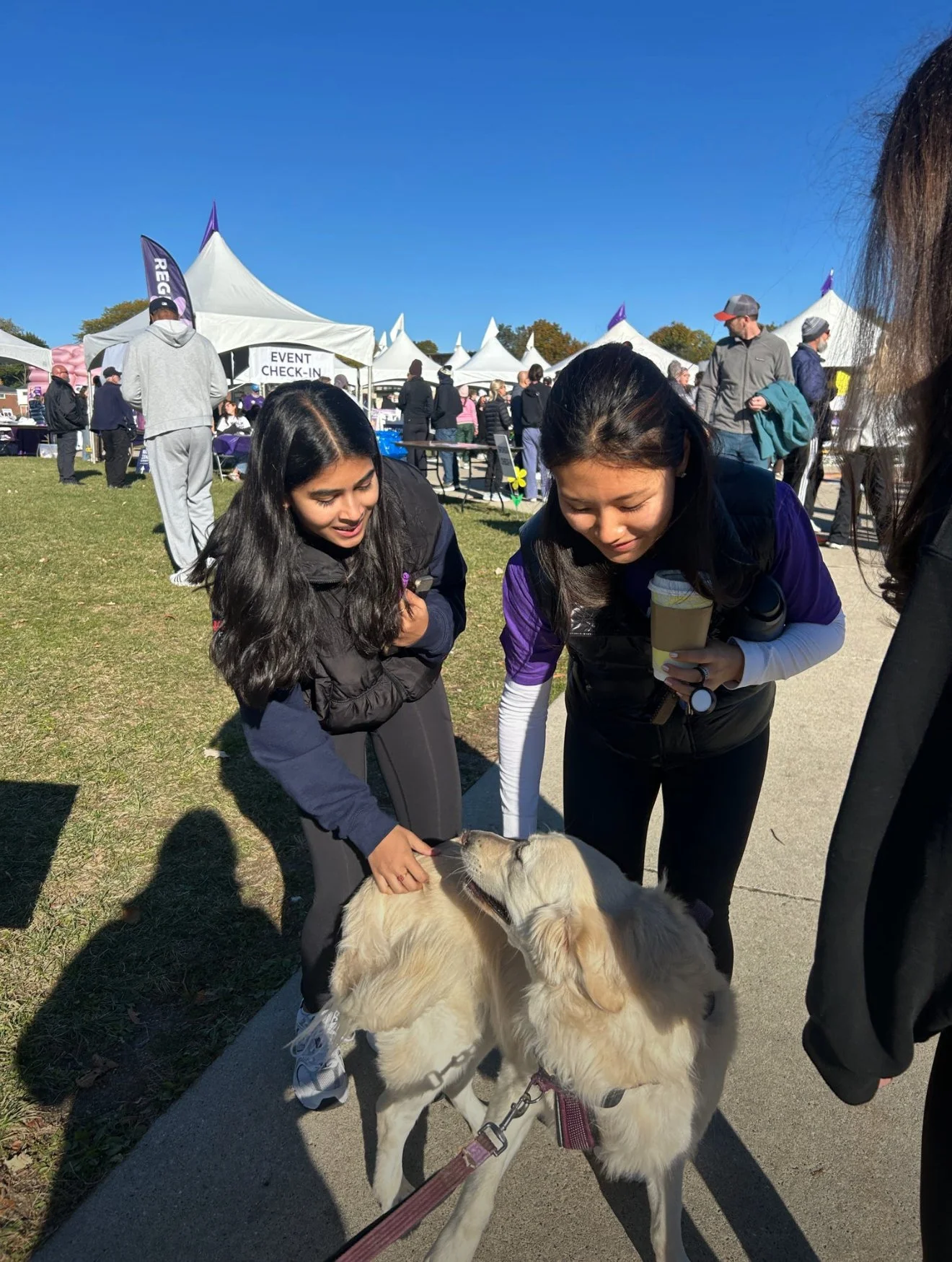
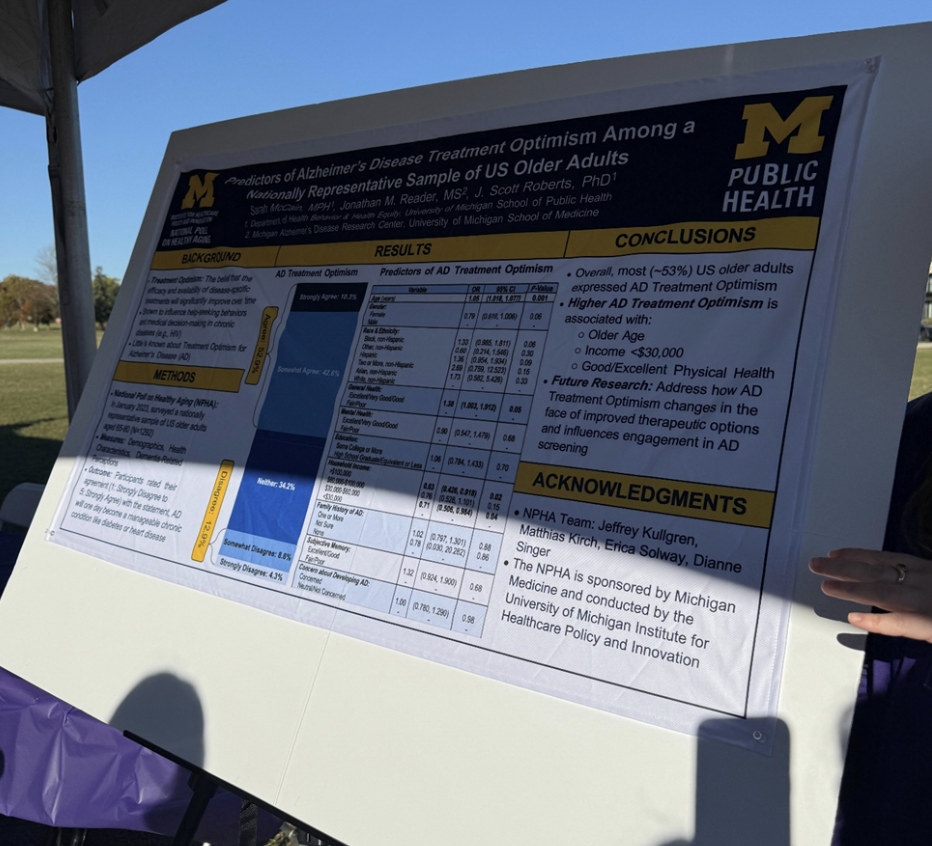
At Walk to End Alzheimer’s this last Sunday, people from all backgrounds gathered to raise money, awareness, and show support for those living with Alzheimer’s disease. Our NeuroNarratives team participated and was able to witness many impressive contributions to the cause. One of these contributions, research done by University of Michigan graduates, allowed us to learn about the mindsets and various amounts of optimism people have for successfully treating Alzheimer’s.
A study done by the University of Michigan’s Public Health Department: Predictors of Alzheimer’s Disease Treatment Optimism Among a Nationally Representative Sample of US Older Adults (Sarah McCain MPH, Jonathan M. Reader MS, and J. Scott Roberts PhD) measured Treatment Optimism, the belief that the success and availability of treatments for Alzheimer’s disease will substantially improve over time—a subject that little research has been done on.
In a national poll of adults ages 65-80, participants were asked how strongly they agree with the statement that Alzheimer’s disease will one day be treatable like other chronic illnesses, such as diabetes or heart disease. They found that the majority of participants fell into the categories of “somewhat agree” or “neither agree nor disagree.” Few people fell outside of these categories, with 10.3% of people strongly agreeing, 8.6% somewhat disagreeing, and 4.3% strongly disagreeing. In total, 53% of participants expressed Treatment Optimism for Alzheimer’s Disease.
But what impacted who fell into this group? The study found that, out of the measured variables (age, race, health, education, income, family history of Alzheimer’s Disease, subjective memory, and concern about developing Alzheimer’s), Treatment Optimism is most strongly associated with older age, higher income (more than $30,000), and good or excellent physical health.
This research is particularly impactful knowing that Treatment Optimism correlates with how people seek help and make decisions in the face of chronic diseases (McCain, Reader, and Roberts).
Thank you to the University of Michigan Public Health Department and its amazing researchers who are taking steps towards spreading information about the world’s attitudes and hope for Alzheimer’s treatment, and to everyone who came and participated in Walk to End! Every dollar donated, research study done, and kind word spoken to people who are affected by Alzheimer’s Disease makes a difference in the fight to end Alzheimer’s.
Works Cited:
McCain, Sarah, Jonathan M. Reader, and J. Scott Roberts. Predictors of Alzheimer’s Disease Treatment Optimism Among a Nationally Representative Sample of US Older Adults. University of Michigan School of Public Health and University of Michigan School of Medicine, n.d.
NeuroNarratives at Walk to End
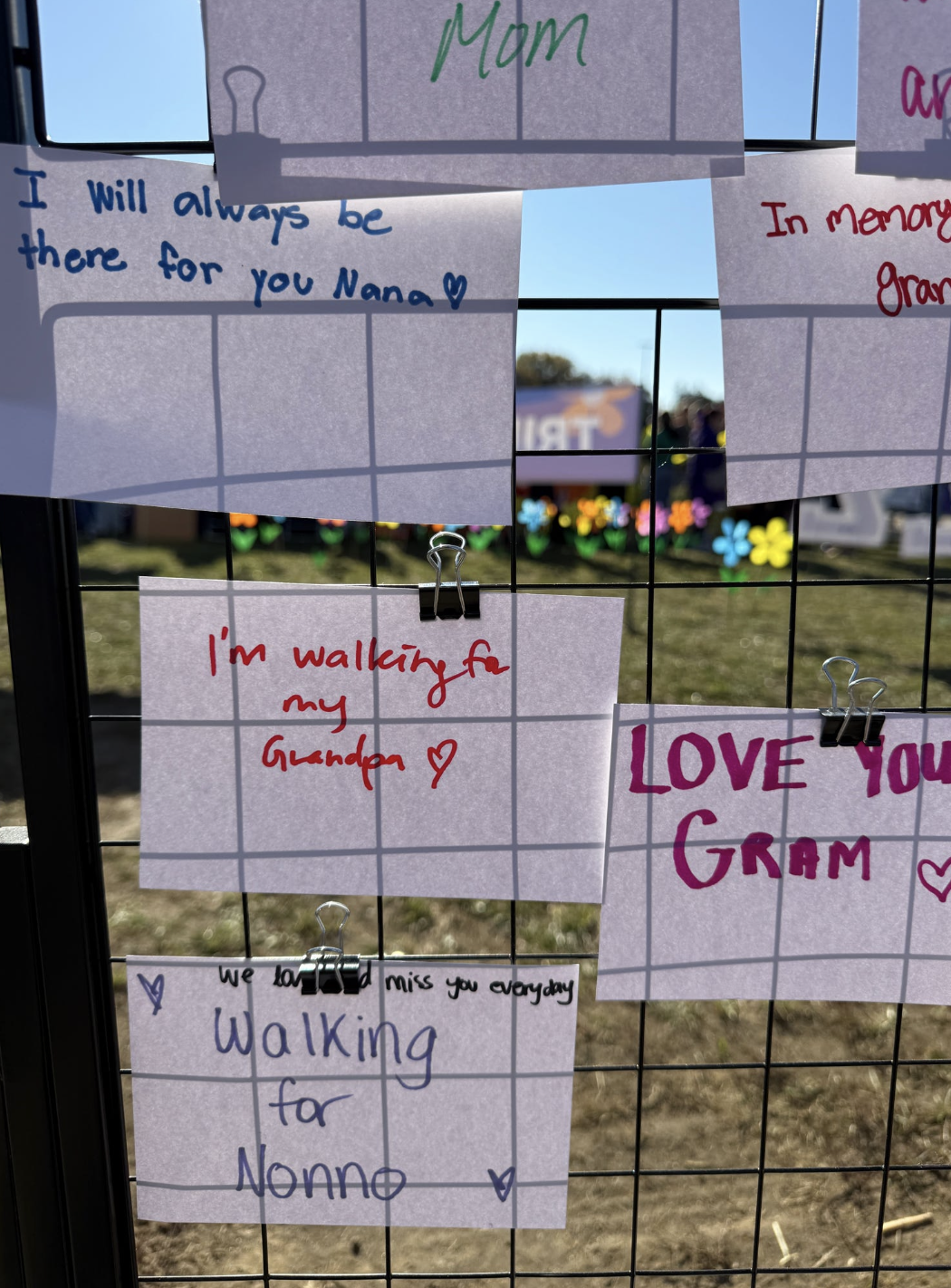
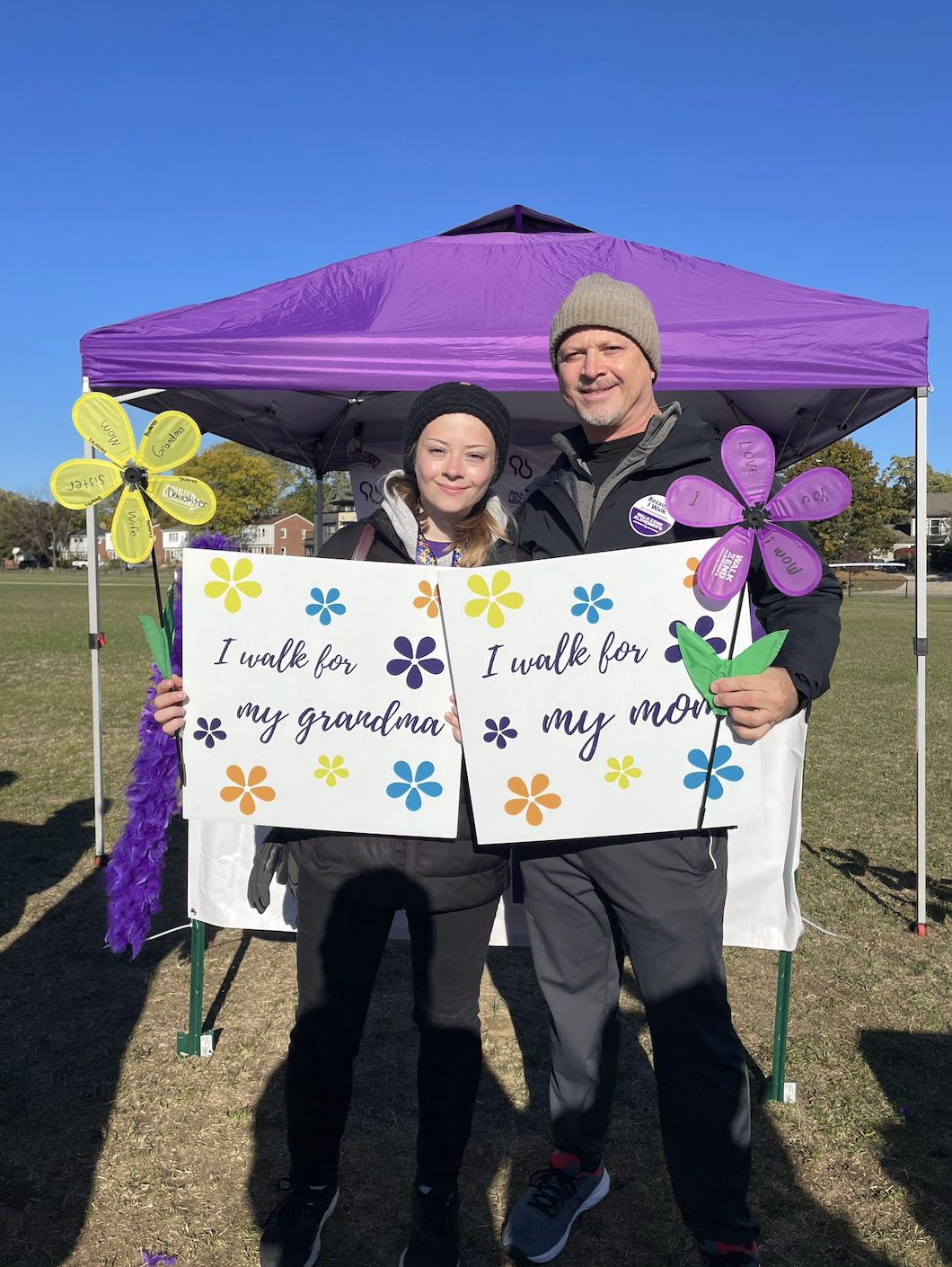
On October 26th, our Neuronarratives members attended Ann Arbor’s annual Walk to End Alzheimer’s. This event is the Alzheimer’s Association’s largest fundraiser of the year, making it a key opportunity to help support the organization’s efforts, which include Alzheimer’s research, care, and advocacy. Beyond just this, Walk to End also creates a space where those affected by Alzheimer’s can join together to share personal stories, spread awareness, and honor loved ones they’ve lost to the disease.
Despite the prevalence of Alzheimer’s disease, it remains an underfunded area of research, which makes the Alzheimer’s Association’s efforts all the more essential. The organization currently invests $450 million in dementia research projects across the globe, and has successfully advocated to raise federal funding to $3.8 billion annually—a seven-fold increase over the past decade. In addition to financing the fight against Alzheimer’s, the Alzheimer’s Association prioritizes caring for and supporting the people affected by the disease themselves. In 2024, they provided services such as care consultation, support groups, and education over 10 million times. An issue as multi-dimensional as Alzheimer’s requires strong and consistent efforts to confront it from all sides, which is exactly what the Alzheimer’s Association is doing. The ability for them to continue this work is contingent on charitable giving, which makes events like the Walk to End so important.
Throughout the month of October, Neuronarratives raised a total of $975, significantly surpassing our original goal of $500. Thank you to everyone who stopped by our bake sale earlier this month, and all those who donated independently as well. Although this year’s Walk to End has passed, the opportunity to donate to the Alzheimer’s Association is always open and highly appreciated. Again, we are incredibly grateful for all the donations our team received, and we plan to continue hosting fundraising events throughout the year to continue supporting this amazing organization.